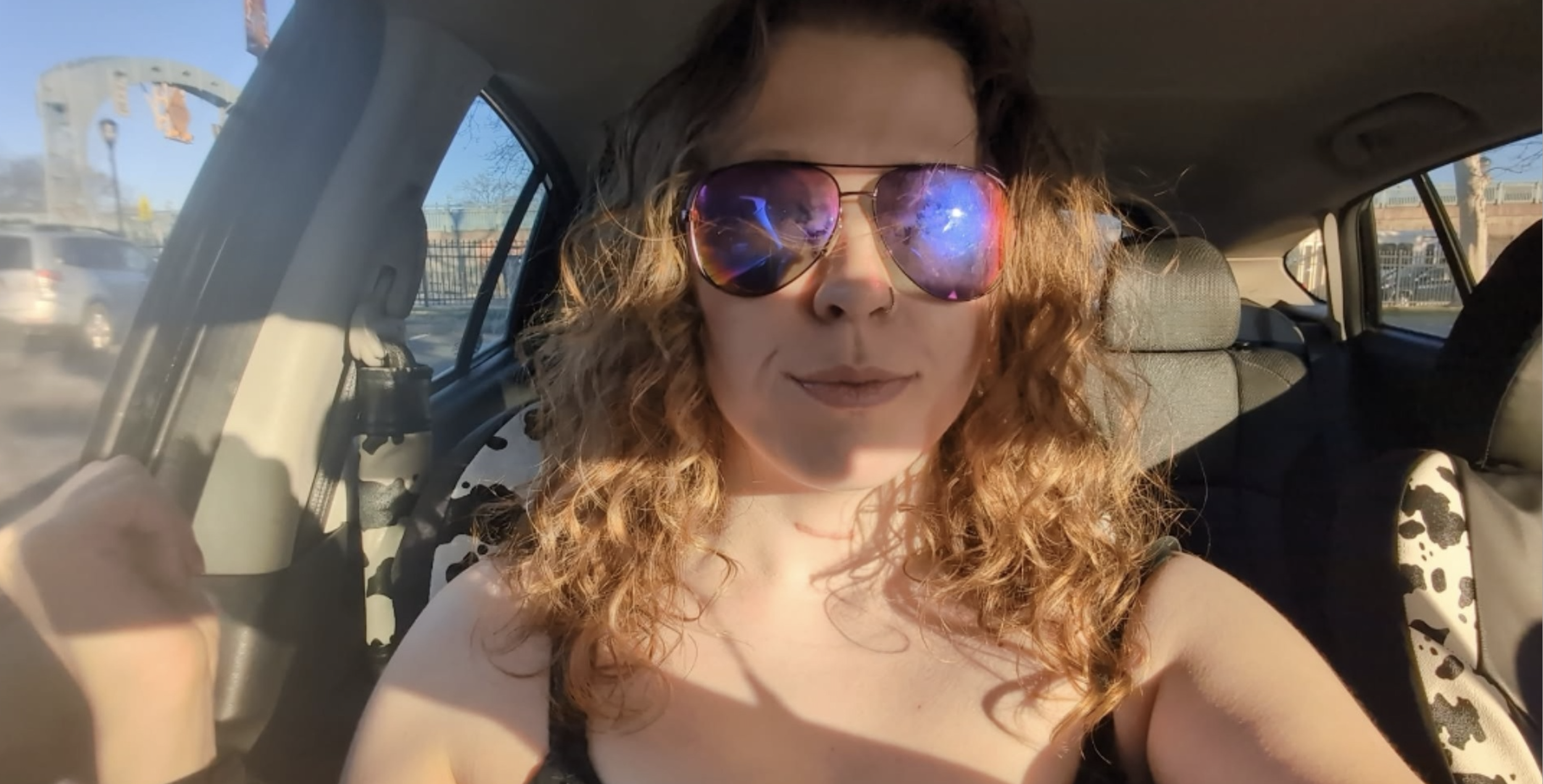
I knew something was wrong. No one listened.
For as long as I can remember, my body felt harder to live in than it should have.
Not in a dramatic, obvious way. It was quieter than that. It was the kind of discomfort you slowly get used to because everyone around you tells you it is normal.
When I got my first period at 11, it was immediately clear something wasn’t right. The pain was intense. The bleeding was heavy. I missed school and felt like I was constantly trying to keep up with a body that was working against me. But every time I brought it up, I was told the same things. Some version of “this is just how it is” or “it’s probably your weight.”
So I learned to deal with it.
That pattern followed me into college, when a new set of symptoms started to take over. I was exhausted all the time. I struggled to think clearly. I also had gained weight and had adult onset acne. It may be silly, but seeing my body changed bothered me. My body felt unpredictable and off in ways I could not explain. I went to doctors, tried to describe what I was experiencing, and hoped someone would take a closer look.
They didn’t.
It was still about my weight. Still about stress. Still something I was expected to fix on my own.I did not start getting answers until I was 23, when my symptoms escalated to the point where they could not be ignored anymore. That is when I was diagnosed with Hashimoto’s thyroiditis. It was the first time someone acknowledged that something real was happening in my body.
But instead of feeling fully relieved, I kept thinking about how long it took to get there.
I pushed again about my periods, which had never improved. The pain, the bleeding, the disruption to my life had been there for over a decade. But even then, I was not taken seriously until I lied. I told them I wanted to get pregnant.That was the moment everything changed. Suddenly, I was referred out. Suddenly, there was urgency. And eventually, I was diagnosed with endometriosis.
There was validation in that diagnosis, but also anger. I had spent years being dismissed for symptoms that were very real. The only difference now was that my pain had been framed in a way that aligned with what the system values. Not my wellbeing. My ability to have children.
Around the same time, doctors began closely monitoring my thyroid and found more than ten nodules. That raised concern, but it also pushed me to start asking deeper questions. By then, I had learned something important: If I wanted answers, I was going to have to look for them myself. That is how I found Cowden’s disease.
When I brought it up, I was not met with curiosity or even cautious consideration. I was told I was anxious. I was told I was searching for problems. A genetic counselor told me it was not worth testing for. I had already spent too many years being wrongfully dismissed to stop there.
So I pushed for testing anyway.
And I was right.
I was diagnosed with Cowden’s disease, a condition that significantly increases the risk of several cancers, including endometrial cancer. For the first time, everything connected. The thyroid issues. The gynecological symptoms. The patterns that no one else had taken the time to piece together.
But that clarity came with a new reality. I was now someone living with a condition that required serious monitoring and difficult decisions.
I do not want children. I never have.
I also have endometriosis, a significantly increased risk of uterine cancer, and a history of bleeding so severe that I faint.
And still, when I brought up the possibility of a hysterectomy, I was told no.
Not because it was not medically relevant. Not because it would not reduce risk or improve my quality of life. But because I might meet a man one day who would want kids.
It is hard to explain what it feels like to hear that.
To sit there, knowing your body, your risks, your daily reality, and be told that a hypothetical man’s future preferences matter more than your current health.
This is what medical misogyny looks like in practice.
It is not always obvious. It does not always sound cruel. Sometimes it is framed as caution or concern. But underneath it is a pattern. Women’s pain is minimized. Their symptoms are questioned. Their autonomy is treated as something flexible.
I lived for years being told my symptoms were not serious. That they were explainable. That they were my fault. And when I finally trusted myself enough to push for answers, I was labeled anxious, overdramatic, and by one doctor "a bitch".
This is not rare. It is happening to people every day.
We need to start believing people when they say something is wrong. Not after years of escalation. Not after they learn how to say the “right” thing to be taken seriously. The first time.
We need to take a harder look at how bias shows up in medicine, especially when it comes to women’s health and bodies that do not fit narrow expectations.
And we need more awareness of conditions like Cowden’s disease. It may be rare, but the consequences of missing it are serious. It carries real cancer risks. It requires monitoring. It requires attention.
You cannot treat what you refuse to recognize.
I am now pursuing a PhD and doing research in health psychology, and this is a big part of why. My experience is not separate from my work. It is what drives it. I want to understand how this keeps happening and how we can do better.
Because no one should have to fight this hard to be believed.
And no one should have to become their own doctor, get trained on reading scientific literature, and take graduate level health sciences courses just to understand in their own body.
Alexis